Comfort guide
How to stop shapewear chafing
Short answerShapewear chafes where an edge or seam rubs on skin that moves: the inner thighs, the sides and under the bust. The fixes are a correct size, smoothed seams, a thin anti-chafe balm on the spots that rub, and taking it off for a few hours if your skin turns red.
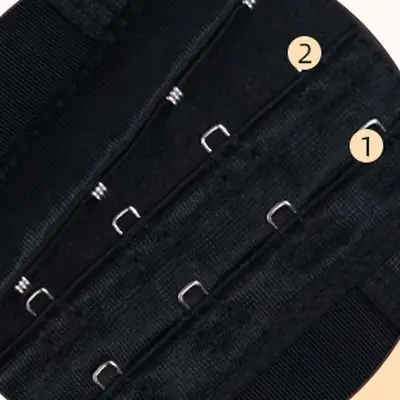
Where it happens and why
| Spot | Usual cause |
|---|---|
| Inner thighs | Leg bands too tight or rolling as you walk |
| Sides of the waist | Hook panel twisted or the size too small |
| Under the bust | Bust edge sitting too high |
| Shoulders | Torso too short for you |
What helps
- Correct size. Most chafing at the edges comes from a size that is too small.
- Smooth before you dress. Run your hands along seams and bands so nothing is folded.
- Anti-chafe balm on the inner thighs, not under the leg band (it can make silicone slip).
- Breaks. If skin turns red, take it off for a few hours.
- Wash it. Dried sweat and salt make fabric rougher.
When to stop wearing it
Broken skin, a rash that spreads, or pain that continues after you take it off. Let it heal fully before you wear shapewear again, and see a doctor if it does not improve.
Questions
Why does my shapewear rub my thighs?
The leg bands are usually too tight or rolling. Check your size and smooth the bands flat.
Can I use powder under shapewear?
A light dusting on dry skin can help, but a balm usually lasts longer on the thighs.
Is it normal for shapewear to leave marks?
Light marks that fade quickly are normal. Deep marks or redness that lasts mean it is too small.